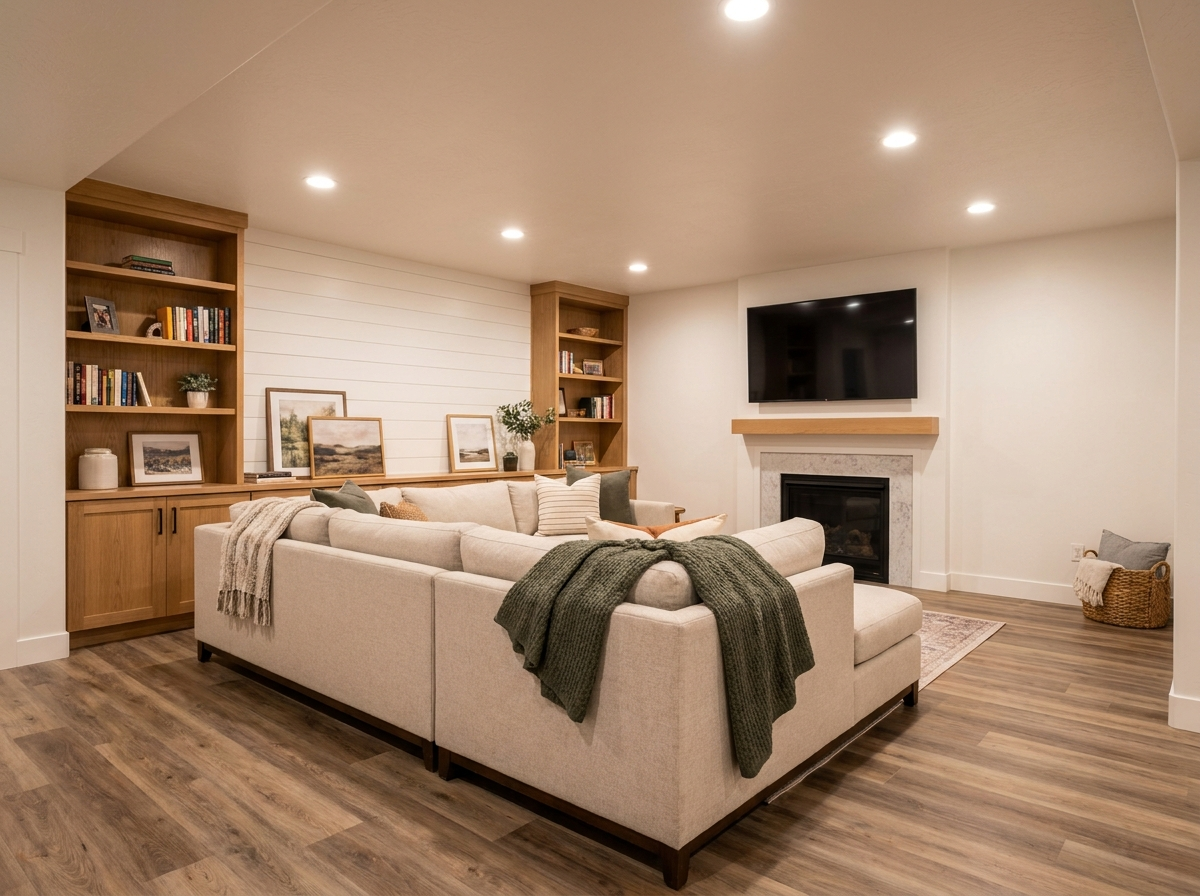
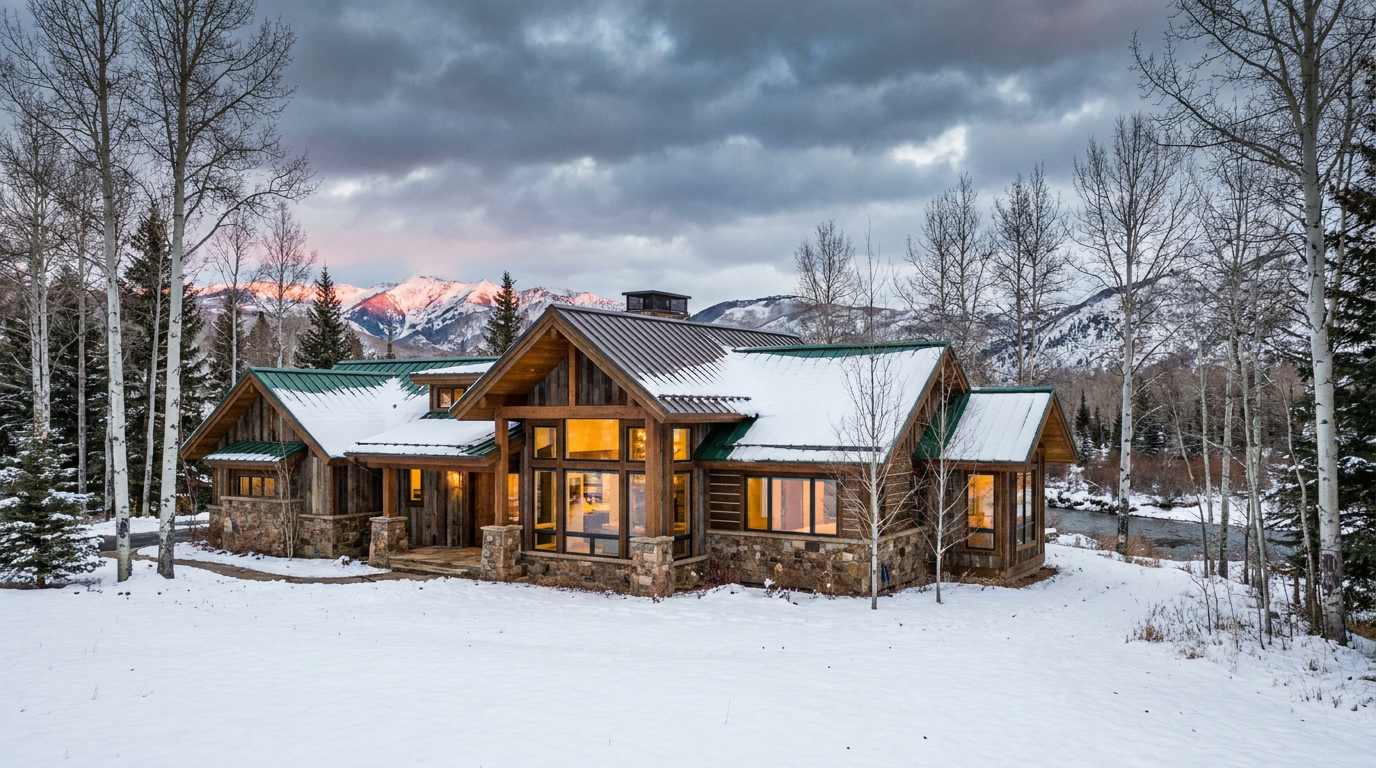
Building a custom home in Park City or Heber Valley is one of the most rewarding things a family can do — and one of the most misunderstood. The process is different from buying an existing home, and it's different from building in a flat suburban subdivision. Elevation, soil, access, county regulations, and the sheer pace of the mountain market all play a role.
We've built custom homes across the Wasatch Back for over a decade. Here's what we actually tell clients when they sit down with us for the first time.
Phase by Phase: The Full Timeline
A custom mountain home typically runs 12 to 22 months from land acquisition to certificate of occupancy. Here's how that breaks down:
Survey, soil test, title review, utility access check, easements, HOA rules (if applicable). Do not skip this — it's the foundation of every decision that follows.
Schematic design, design development, construction documents. We work closely with your architect throughout — the more detailed your plans, the fewer surprises in the build.
Summit County and Wasatch County each have their own review timelines. Park City proper can run 3–4 months for permit approval. Plan accordingly — do not assume 30 days.
Excavation, grading, foundation pour. Mountain soil and weather can add time here — especially at higher elevations where frost lines are deeper.
Framing, roofing, windows/doors, rough HVAC, electrical, plumbing. This is where your home takes shape. Weekly walkthroughs with your GC are standard practice.
Insulation, drywall, flooring, tile, cabinetry, paint, trim, fixtures, appliances. Lead times on materials are real — order cabinets and tile early, not after drywall.
The single biggest source of delays we see is late selections. Homeowners wait until framing is done to pick cabinets — then they're waiting 14 weeks on lead time while the crew stands down. Make your material selections during the design phase, not during construction.
Lot Selection: What Most Buyers Get Wrong
The lot you buy shapes everything: your floor plan, your foundation cost, your driveway grade, your utility costs, and your views. We've seen clients fall in love with a lot and miss the fact that the septic easement cuts through the best building envelope, or that the slope requires $120,000 in retaining walls before a shovel goes in the ground.
Before you close on land, you need to know:
- Buildable area — setbacks, slope restrictions, and HOA envelopes can significantly limit where your home can sit
- Soil conditions — rocky terrain is common in the Heber Valley and can add cost to excavation and foundations
- Utility access — sewer vs. septic, propane vs. natural gas, well vs. municipal water
- Access and grading — steep driveway approaches are common and can be costly; some are impassable in winter
- Snow load and fire codes — at elevation, roof structures require engineering for heavy snow; wildland-urban interface zones have specific material requirements
We strongly recommend walking any lot with your GC before you write an offer. We do pre-purchase lot consultations — it's one of the best investments you can make before spending $600K+ on land.
What Does a Custom Home Cost in Park City or Heber?
In 2026, custom home construction in the Wasatch Back runs $350–$650 per square foot for finished living space, depending heavily on site conditions, design complexity, and finish level. A straightforward 3,500 sq ft mountain modern home on a manageable lot with mid-high finishes typically lands in the $1.4–$1.8M range for construction — separate from land.
Variables that push cost higher:
- Steep lots requiring extensive site work or retaining walls
- Complex rooflines, large overhangs, or heavy timber framing
- High-end appliances, custom cabinetry, stone counters throughout
- Heated driveways or outdoor living spaces
- Structural steel or custom windows in large formats
Variables that keep cost in range:
- Flat or gently sloping lots with easy access
- Efficient floor plans without complex angles or bump-outs
- Standard ceiling heights (9–10 ft vs. 12–14 ft)
- Simplified rooflines
Working with a GC vs. Owner-Builder
Some homeowners in Utah try to act as their own general contractor to save the GC margin (typically 15–20%). In rare cases, experienced builders with construction backgrounds can pull this off. In most cases, we see it add cost and significant stress — not reduce it.
A GC's value isn't just project management. It's the trade relationships that get your plumber on the job during a shortage, the purchasing leverage on lumber and framing materials, the ability to sequence trades efficiently, and the accountability when something goes wrong at month 14.
We give every prospective client a straight answer on whether their budget, lot, and timeline are realistic — even if that means telling them to wait. We'd rather lose a job than set someone up for a bad experience. That's not a marketing line. It's how we've built every relationship we have.
Financing a Custom Build
Custom home construction is typically financed with a construction-to-permanent loan (also called a one-time close or C2P loan). Unlike a traditional mortgage, these fund in draws as construction progresses — your lender will conduct periodic inspections to verify milestone completion before releasing funds.
Key things to understand about construction financing:
- You'll typically need 20–25% down on the total project cost (land + construction)
- Rates are often slightly higher than permanent mortgage rates during the build period
- Budget for a 10–15% contingency — cost overruns on custom builds are common, and most lenders will want to see it in your budget
- Get pre-approved before you make land offers — sellers in the mountain market move fast
Ready to Start the Conversation?
Building a custom home is a significant undertaking — but with the right team, it's also one of the most rewarding. Summit Buildworks works with a limited number of custom home clients per year to ensure each project gets the attention it deserves.
If you're exploring a build in the Park City, Heber Valley, or broader Wasatch corridor, reach out for a free consultation. We'll be straight with you about what's realistic, and we'll earn your trust before we ask for anything else.