A burst pipe, a failed water heater, a kitchen fire, or a hailstorm turns into two jobs, and most homeowners don't realize that until they're in the middle of it. The first job is stopping the damage. The second is rebuilding the house. They're usually done by different companies, and knowing the difference saves a lot of confusion.
Step 1: Stop the Damage and Stay Safe
If water is still running, shut off the main water valve. If there's any electrical risk, shut off power to the affected area or stay out of it. For fire damage, don't go back in until the fire department says it's safe. Take photos and video of everything before anything is moved or thrown out.
Step 2: Call Your Insurance Company
Report the loss as soon as you can. Your insurer will open a claim, give you a claim number, and assign an adjuster. Ask what your policy expects of you right away. Most policies require you to take reasonable steps to prevent further damage.
Step 3: Mitigation — Drying It Out
Mitigation is the emergency phase: water extraction, removing wet drywall and flooring, setting dehumidifiers and air movers, and confirming the structure is dry. For fire, it's cleaning, soot removal, and odor treatment. This is specialized work done by a mitigation or restoration company, and it usually starts within a day or two.
Summit Buildworks does not do mitigation. If you need a mitigation company, we can refer you to one.
Step 4: Reconstruction — Building It Back
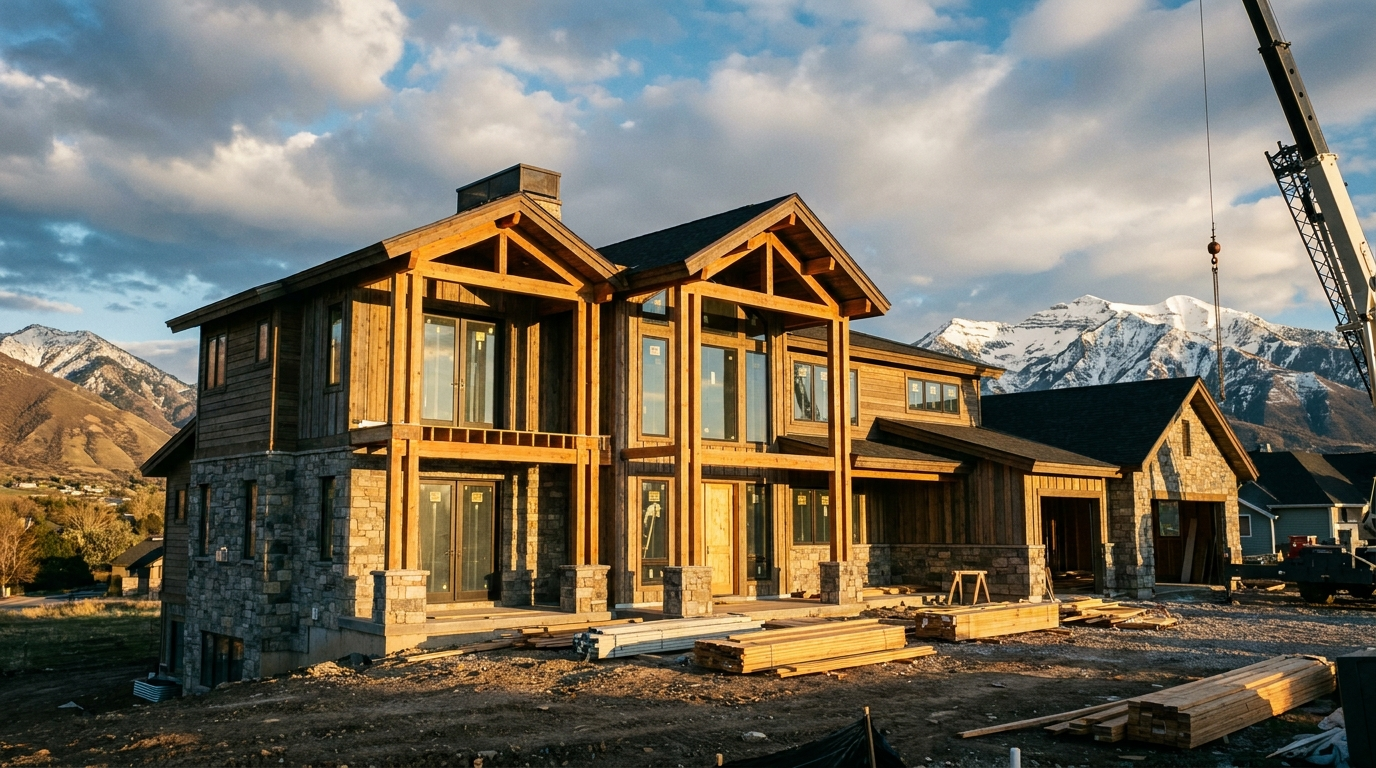
Once the house is dry and the mitigation company has documented what was removed, reconstruction starts. That means drywall, insulation, flooring, cabinets, countertops, trim, doors, paint, and anything else that was damaged or torn out. This is where a general contractor comes in, and it's the part Summit Buildworks does.
Step 5: The Estimate and Your Adjuster
Your adjuster writes an estimate of what the insurer will cover, usually with standard line items from estimating software. Your reconstruction contractor walks the damage too and builds a plan for the rebuild. A good contractor will walk you through the scope line by line, so you understand what's being rebuilt, in what order, and with what materials.
Your insurer makes the coverage decisions. Questions about what's covered, and anything about your claim itself, go to your adjuster or your agent. Your contractor's job is the rebuild.
Things Worth Knowing About Your Claim
Deductible
Your deductible is the part of a covered loss you pay. It applies regardless of which contractor you choose.
Depreciation
Many policies pay the actual cash value first and release the rest (recoverable depreciation) after the work is complete. Check your policy or ask your adjuster how yours works.
Upgrades
If you want better finishes or a different layout than what's being replaced, you can usually pay the difference. Ask your contractor to keep insurance-covered work and homeowner-paid upgrades on separate line items.
Choosing Your Contractor
Your insurer may suggest a preferred contractor. Policies generally let you choose who does the work, but check your own policy and ask your adjuster if you're unsure.
How Long Does Reconstruction Take?
It depends on how much was damaged, permit requirements, and material lead times for things like cabinets and flooring. Ask any contractor for a written schedule before work starts and for regular updates during the job.
Questions to Ask a Reconstruction Contractor
- Are you a licensed Utah general contractor? (You can look up any license on the Utah DOPL website.)
- Do you do the mitigation too, or only the rebuild?
- Will you walk me through the reconstruction scope before work starts?
- How will you keep me updated during the rebuild?
- Who's my point of contact during the job?
- Will you keep upgrades separate from the insurance scope?
How Summit Buildworks Fits In
Summit Buildworks is a licensed Utah general contractor (#14258416-5501) based in South Jordan. We do reconstruction only: we start after mitigation and drying are complete, walk you through the reconstruction scope, and put your home back together. We work across the Wasatch Front and Back.